Choose products by training phase and by what your current nutrition does not already cover. Start with one missing foundation rather than building a large overlapping stack.
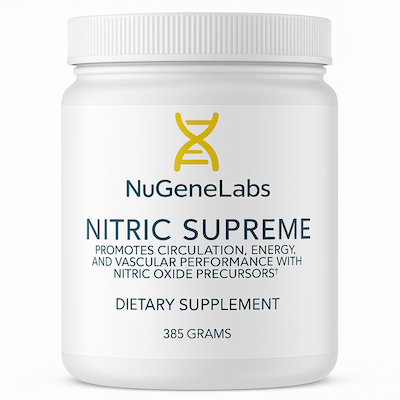
Before training: Paraxanthine Pre-Workout Powder combines paraxanthine with citrulline malate, beta-alanine, taurine-malate, beetroot, and electrolytes. For concentrated caffeine-free nitric-oxide support, compare Nitric Supreme. Account for all stimulant and overlapping performance ingredients before combining products.
During training: HydraElectrolyte Complex supplies sodium, potassium, magnesium, and other minerals for hydration and normal muscle function. Your exercise duration, sweat rate, climate, and overall diet influence how much electrolyte support is appropriate.
Strength and repeated high-intensity exercise: Creatine is intended for consistent daily use rather than occasional use only on training days. Adequate food, hydration, protein, and regular training remain the foundation.
Post-workout protein: Whey Protein Powder supplies complete protein for customers working toward daily protein targets. Beef Protein Collagen supplies hydrolyzed collagen peptides and should not automatically be treated as a direct replacement for complete dietary protein. Glutamine Powder provides a standalone amino-acid option.
Mineral and muscle-function support: Magnesium Chelated provides magnesium lysinate glycinate for normal muscle and nerve function. Multi Mineral Powder offers broader mineral coverage when a multi-mineral formula better fits the customer’s routine.
Cellular-energy support: Mitochondrial Support Powder combines creatine, acetyl-L-carnitine, ATP, and nutrient cofactors. Compare CoQ10 with Ubiquinol as two different CoQ10 forms; most customers do not need both. Alpha Lipoic Acid provides complementary cellular-energy and antioxidant support.
Training and recovery support: Sashimi Omegas provides full-spectrum salmon oil. Anti-Inflame+ and Curcumin Phytosome NSF Certified for Sport offer two different curcumin-centered approaches, while Bio C Complex supports normal collagen formation and antioxidant protection. Compare ingredients before combining overlapping formulas.
Simplified starting option: Athletes Essentials Bundle combines daily foundational and hydration support for customers who prefer a smaller starting routine.
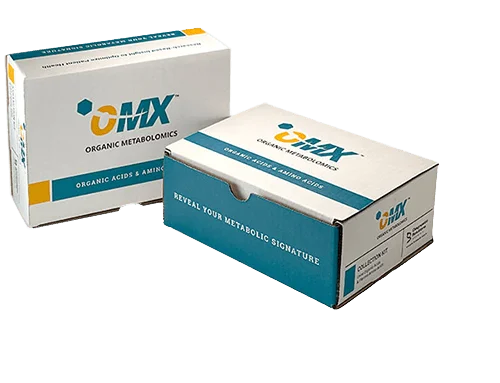
At-home testing: The NAD Profile examines NAD+ and related cellular-energy metabolites. The OMX Organic Metabolomics Test provides a broader view of organic acids, amino acids, and metabolite patterns that may add context to energy and nutrient-related wellness goals.
For the complete sports-nutrition selection, browse Athletic Performance & Recovery Supplements. Additional professional brands are available through the NuGeneLabs Fullscript dispensary.
Helpful Guides: Nitric Oxide | Best Time To Drink Electrolytes | How to Get Electrolytes Without Sugar
 Special