
At-Home Gut Microbiome Test: What It Measures and Why
Jenia Huldisch
This article is for educational purposes only. It is not medical advice and should not replace guidance from a qualified healthcare provider.
What Is a Gut Microbiome Test?
A gut microbiome test analyzes the bacteria, fungi, and other organisms living in your digestive tract to create a profile of your gut ecosystem. Unlike a standard stool test that screens for specific pathogens, a microbiome test looks at the broader composition and diversity of your gut flora, along with markers related to digestion, immune function, and inflammation.
At-home gut microbiome testing helps connect digestive symptoms to measurable microbiome data for more targeted support. If you have been dealing with bloating, digestive discomfort, or general gut health curiosity, this type of testing offers a way to move from guessing to knowing.
What Does the Test Measure?
A comprehensive gut microbiome test typically evaluates several categories of markers:
- Microbiome composition and diversity: which bacterial species are present and in what proportions, including beneficial, commensal, and potentially problematic organisms
- Digestive function markers: indicators related to how well your body is breaking down and absorbing nutrients
- Immune and inflammation markers: data points that reflect the immune activity within your gut environment
- Metabolic byproducts: short-chain fatty acids and other metabolites that reflect how your gut bacteria are functioning
These markers, taken together, provide a functional picture of your gut health that goes well beyond what a standard digestive symptom questionnaire can reveal.
About the GI Spotlight Health Test
The GI Spotlight at-home gut microbiome test provides advanced insight into gut microbiome health, digestion, and immune markers from home. It helps assess gut microbiome health and supports more informed decisions around digestion, immune balance, and targeted support.
The test is completed at home. You collect your sample following the kit instructions, ship it back using the prepaid materials, and receive a detailed report of your gut microbiome profile. The GI Spotlight Health Test is a professional-grade testing option available through NuGeneLabs, designed to meet the same standards practitioners use in clinical settings.
How to Use Your Results
Microbiome test results are most useful when you approach them as a starting point for targeted action rather than as a final answer. The recommended approach is to start with testing, then build a targeted support plan based on what the data reveals.
Common next steps after testing include:
- Working with a practitioner to interpret your results and prioritize areas of focus
- Adjusting your diet to support diversity and reduce patterns associated with imbalance
- Adding targeted probiotic or digestive support based on what your results suggest
PB-40 Gut Balance supports microbiome diversity and digestive balance as part of a post-testing support strategy. It is a practical complement to test results that highlight diversity or balance concerns.
For retesting, the suggested timeframe is to retest after a targeted support period if appropriate. This gives you a way to measure whether your approach is shifting the patterns the initial test identified.
Who Might Consider a Gut Microbiome Test?
This type of testing is relevant for a range of people, not just those with obvious digestive complaints. Common reasons include:
- Ongoing bloating, gas, or digestive discomfort that standard approaches have not resolved
- Curiosity about gut health after antibiotic use, travel, or dietary changes
- A desire for data to guide probiotic, prebiotic, or dietary supplement decisions
- Practitioner-guided protocols that include microbiome assessment as a baseline step
If you are also exploring broader functional health testing, our guide to the metabolomics test covers how metabolomic data can reveal additional patterns beyond gut health alone. And for people interested in how gut health connects to aging and long-term wellness, our healthy aging guide covers the testing-first approach to longevity support.
Frequently Asked Questions
Is a gut microbiome test the same as a stool test from my doctor?
Not usually. Standard stool tests from a doctor's office typically screen for specific infections or pathogens. A gut microbiome test provides a broader analysis of your entire gut ecosystem, including bacterial diversity, digestive markers, and immune indicators.
How long does it take to get results?
After your sample is received by the lab, results are typically returned within three to five weeks. Specific turnaround details and tracking information are included with your kit.
Do I need a practitioner to order this test?
The GI Spotlight Health Test can be ordered through NuGeneLabs DFH dispensary. Working with a practitioner to review results and build a support plan can add significant value, particularly if your results reveal complex patterns.
What should I do if my results look normal?
Normal results are valuable as a baseline. They confirm that your current routine is supporting your gut health well. You can use this data as a reference point for future retesting, especially if your diet, stress levels, or health goals change over time.
Related
- GI Effects Gut Health Stool Test
- Metabolomics Test: What It Measures and How It Works
- Gut Health Collection
Always consult your healthcare professional before starting or changing supplements, especially if you are pregnant or breastfeeding, have a medical condition, or take prescription medications.
This content is for educational purposes only and is not intended to replace medical advice.
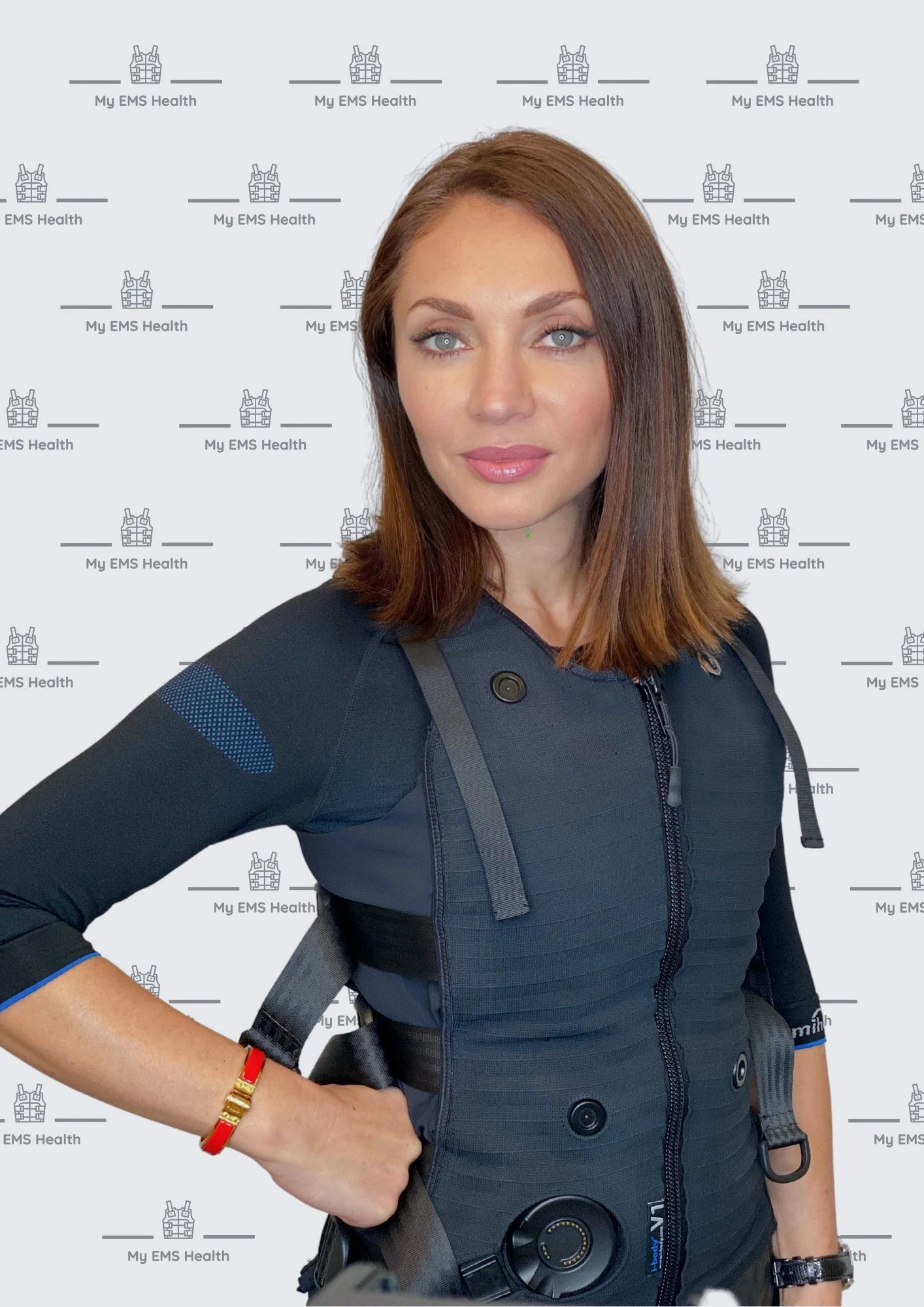
About the Author
Evgenia Huldisch (Coach Jenia)
Longevity Coach | Fitness Expert
Certified Longevity Coach (CLC), EMS Certified Trainer, 3X4 Genetics Certified Practitioner, QSI Detoxification Certified Practitioner
Evgenia Huldisch is a longevity coach and a fitness expert specializing in healthy aging, recovery, and personalized wellness strategies. She helps clients build practical habits around nutrition, movement, recovery, and behavior change to support stronger, healthier lives.