Biological Age Test at Home: What It Measures and Why
Jenia Huldisch
This article is for educational purposes only. It is not medical advice and should not replace guidance from a qualified healthcare provider.
What Is Biological Age?
Your calendar age counts the years since you were born. Biological age is a different kind of measurement, reflecting how your body appears to be aging at the cellular level based on specific biomarkers. Two people born in the same year can have meaningfully different biological ages depending on genetics, lifestyle, nutrition, stress, and environmental factors.
This distinction matters because biological age gives you a data point you can actually track and influence. At-home biological age testing helps connect healthy aging goals with measurable data, which is why it has become a practical starting point for people exploring longevity.
What Does an At-Home Biological Age Test Measure?
At-home biological age tests focus on biomarkers associated with how the body ages at the cellular level. One of the most well-studied markers is telomere length - telomeres are protective structures at the ends of your chromosomes, and their length is considered a meaningful indicator of cellular aging over time.
But biological age is broader than telomere length alone. Depending on the test, results may also reflect markers related to oxidative stress, inflammation, and other aging-related patterns. The value is in seeing these markers together, which gives a more complete picture than any single data point.
The Telomere Length & Biological Age Test ($248) measures telomere length and biological aging markers from home. As a testing tool, it helps assess biological aging patterns and supports more informed healthy aging and longevity decisions.
How the At-Home Process Works
One of the main appeals of at-home biological age testing is simplicity. The process typically looks like this:
- Order a testing kit online and receive it at home.
- Collect your sample following the instructions included in the kit—no clinic visit required.
- Ship the sample back using prepaid return materials.
- Receive your results with an overview of your biological age markers and what they may indicate.
The entire process is designed to be accessible for beginners. You do not need prior experience with lab testing or longevity protocols to get started.
Who Might Consider This Kind of Testing?
At-home biological age testing is relevant for a wide range of people. You don't need to be deep into a longevity routine to benefit. Common reasons people explore this type of testing include:
- Curiosity about how their body is aging relative to their calendar age
- A desire to set a measurable baseline before adjusting their wellness routine
- Interest in tracking changes over time alongside lifestyle or supplement adjustments
- Preference for at-home convenience over clinic visits for this type of data
This is not a diagnostic tool - it is an educational resource that helps you identify patterns and make more informed decisions.
How to Use Your Results
Once your results arrive, the most useful next step is to use them as a conversation starter, either with yourself or with a healthcare provider. The recommended approach is to start with at-home longevity testing, then build a structured healthy aging support plan based on what the data suggests.
For retesting, the suggested timeframe is 8 to 12 weeks or as appropriate—enough time for meaningful changes to potentially appear in the data.
Some people choose to pair testing with targeted support. Antioxidant Defense ($38) supports antioxidant balance as part of healthy aging support, and the Longevity Flow Bundle ($126.65) provides a structured longevity support bundle for those who want a more guided starting point.
If you are also interested in how your body produces and uses energy at the cellular level, a factor that can influence how you age, our guide to cellular energy supplements covers how mitochondrial and antioxidant support fit into a daily wellness routine.
Frequently Asked Questions
Is biological age the same as telomere length?
Not exactly. Telomere length is one well-studied biomarker used to assess biological age, but biological age is a broader concept. It may reflect several markers related to cellular aging, oxidative stress, and other patterns. Telomere length is one important piece of that picture.
Do I need a doctor to order an at-home biological age test?
No. At-home kits like the Telomere Length & Biological Age Test can be ordered directly. That said, working with a healthcare provider to interpret results and plan next steps is always a good idea.
How accurate are at-home biological age tests?
At-home tests provide meaningful data on aging-related biomarkers using research-backed lab methods. They are educational tools, not clinical assessments. Accuracy depends on the specific markers tested and the methodology used. Look for tests that clearly explain their approach.
What if my biological age is higher than my calendar age?
A higher biological age is a data point, not a verdict. It may suggest areas of your routine that deserve more attention. Many lifestyle factors like nutrition, sleep, stress management, and targeted supplementation can influence biological aging patterns over time.
Related
- Telomere Length & Biological Age Test
- Longevity Flow Bundle
- Metabolomics Test: What It Measures and How It Works
Always consult your healthcare professional before starting or changing supplements, especially if you are pregnant or breastfeeding, have a medical condition, or take prescription medications.
This content is for educational purposes only and is not intended to replace medical advice.
About the Author
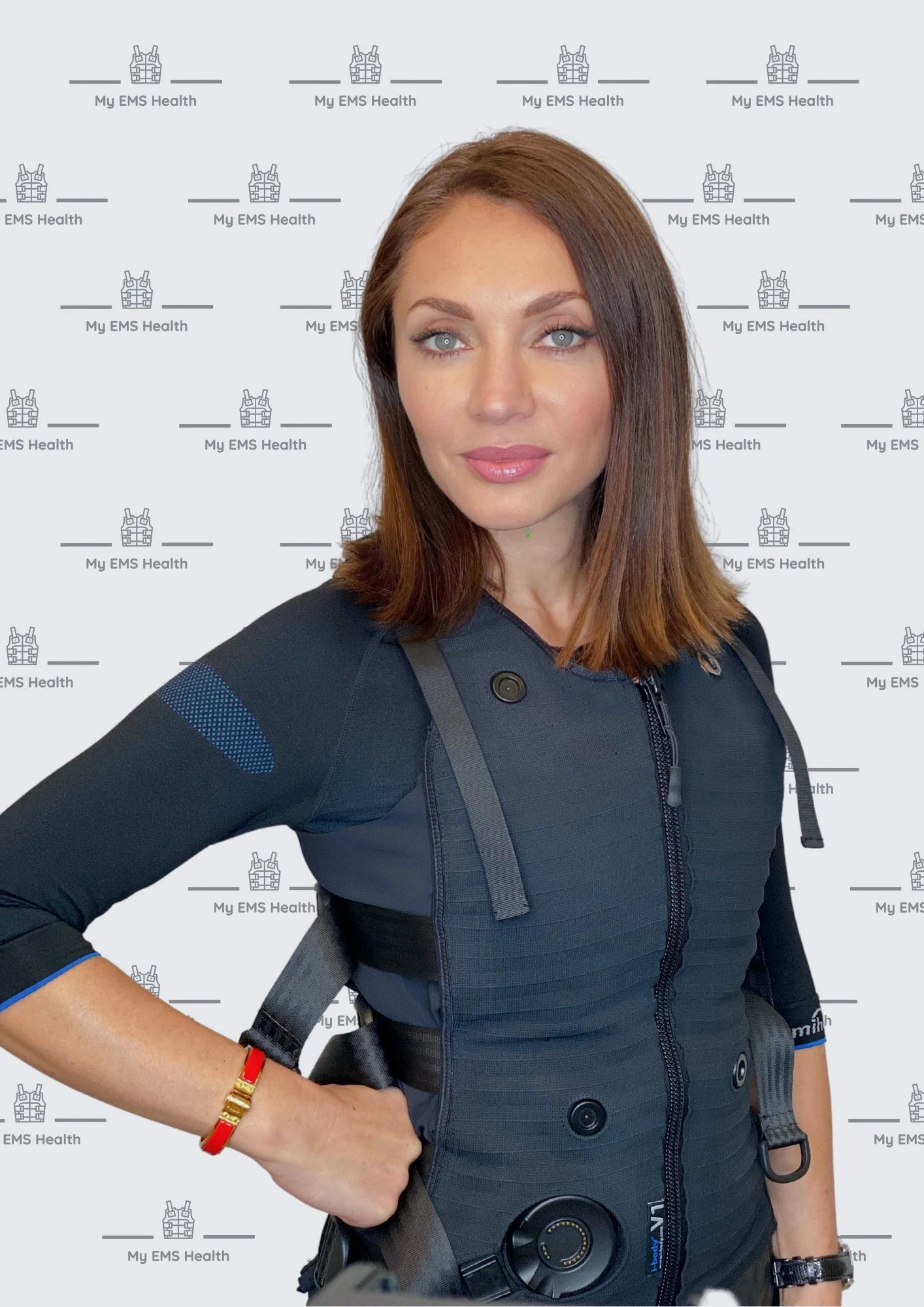
Evgenia Huldisch (Coach Jenia)
Longevity Coach | Fitness Expert
Certified Longevity Coach (CLC), EMS Certified Trainer, 3X4 Genetics Certified Practitioner, QSI Detoxification Certified Practitioner
Evgenia Huldisch is a longevity coach and a fitness expert specializing in healthy aging, recovery, and personalized wellness strategies. She helps clients build practical habits around nutrition, movement, recovery, and behavior change to support stronger, healthier lives.